Vending Machines for Schools in Orange County
October 2, 2026 · 14 min read
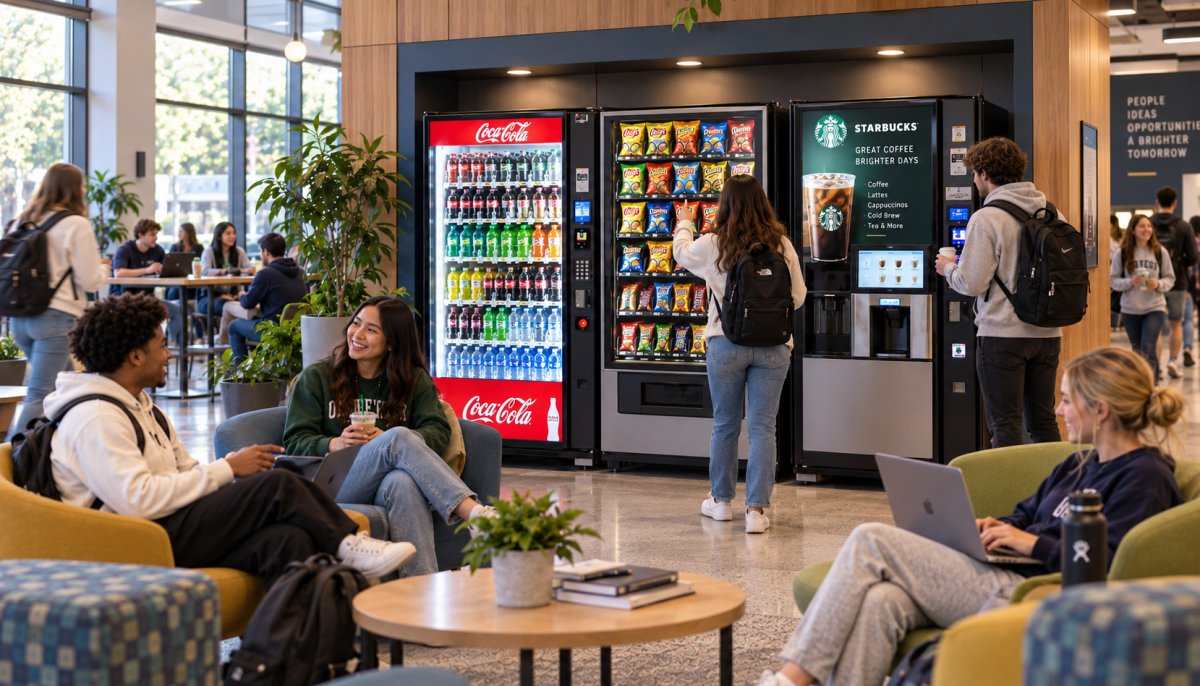
The best school vending setup is not necessarily the one with the most machines. It’s the one that fits campus routines. Choosing vending machines for schools means considering who will use them, where they’ll go, and how product choices align with school policies. Restocking and maintenance matter, too, especially when staff already have plenty to manage.
Start with the campus and the people each machine is meant to serve. A snack machine, drink machine, or combo machine may suit different locations and patterns of student and staff traffic. Product selection should reflect the school’s needs and applicable requirements, while managed service can take routine stocking and maintenance off staff members’ hands.
This guide covers machine formats, product planning, school considerations, and ongoing service to help you plan a setup that works day to day. In Anaheim and Irvine, Vending SoCal provides school vending service that includes professional installation, regular restocking, and maintenance. Use the steps below to assess campus fit and plan local support.
Key Takeaways
- Match the machine format to the campus location and the people who will use it.
- Use five practical decisions to shape a vending machines for schools plan around campus goals, product needs, and service responsibilities.
- Review current USDA, California, and district guidance when planning student-facing products and vending policies.
- Plan placement around school approval, traffic patterns, and the intended users in each campus area.
- Professional installation, regular restocking, and maintenance can reduce the routine workload for school staff.
Why vending machines for schools need a campus-specific service plan
A school vending setup is a campus amenity, not simply a machine placed in an available corner. Its usefulness depends on who can access it, where it sits, what it offers, and how it is stocked and maintained. A setup that works in a staff lounge may not suit a student area or a space used by visitors.
Let campus routines guide the plan. Bell schedules, passing periods, breaks, and busy areas all affect when people can use a machine and when it may need attention. Product choices should reflect the intended users and follow applicable school and district policies. For student-facing food and beverages, review current USDA and California guidance alongside district requirements. School vending machine regulations are part of the wider discussion about vending and school meals, but official sources should guide compliance decisions.
Which school users and locations should the vending plan serve?
Start by distinguishing the needs of students, faculty, and visitors. Students may use vending during approved access periods, while staff may want convenient options near a lounge or work area. Visitors may be better served in another approved campus space. A gym or other busy area can have different access and restocking needs than a quieter location. Map intended users, schedules, and foot traffic to make placement and product decisions more purposeful.
What does managed school vending include?
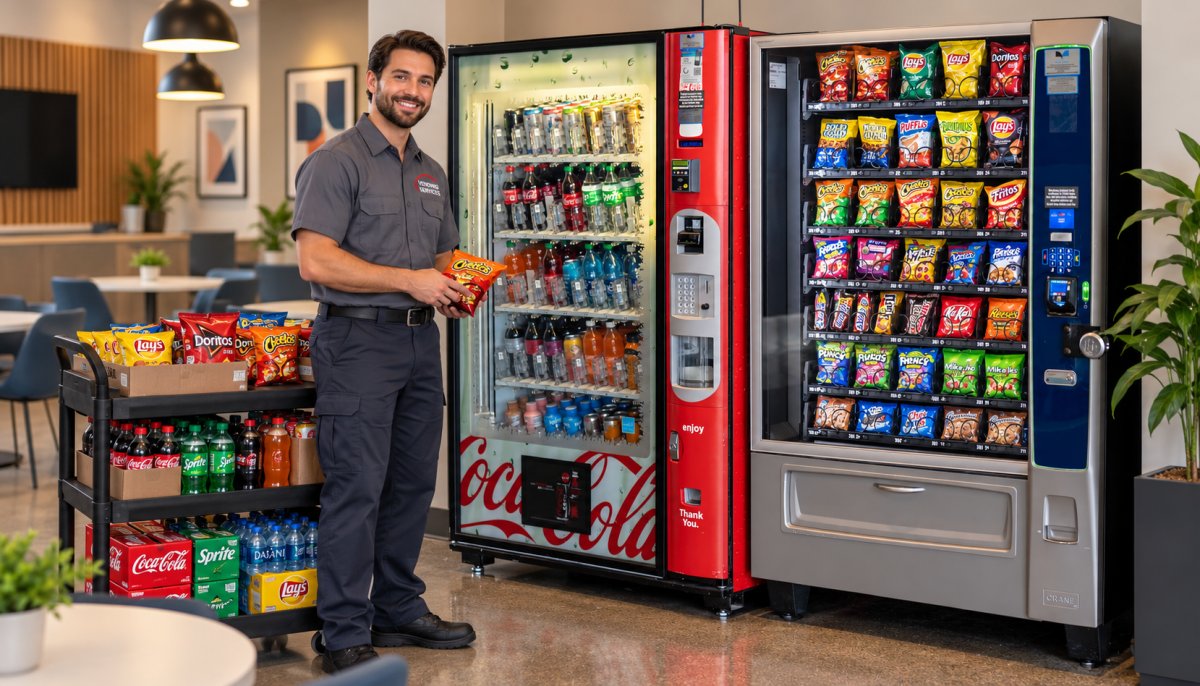
With managed service, the provider handles core operating tasks rather than leaving the school to coordinate them internally. Vending SoCal’s school service includes professional installation, regular restocking, and maintenance. A school managing vending itself would need to arrange equipment, track inventory, replenish products, and handle upkeep. A managed approach reduces the routine vending tasks school staff need to oversee.
Planning still starts with the campus. The school’s priorities, approved locations, intended users, and product policies shape the service plan. Vending SoCal serves schools in Orange County communities including Anaheim and Irvine. To compare machine formats for campus planning, visit vending machine options. For a broader overview of the local approach, read about school vending services in Orange County.
How to choose vending machines for schools in five practical steps
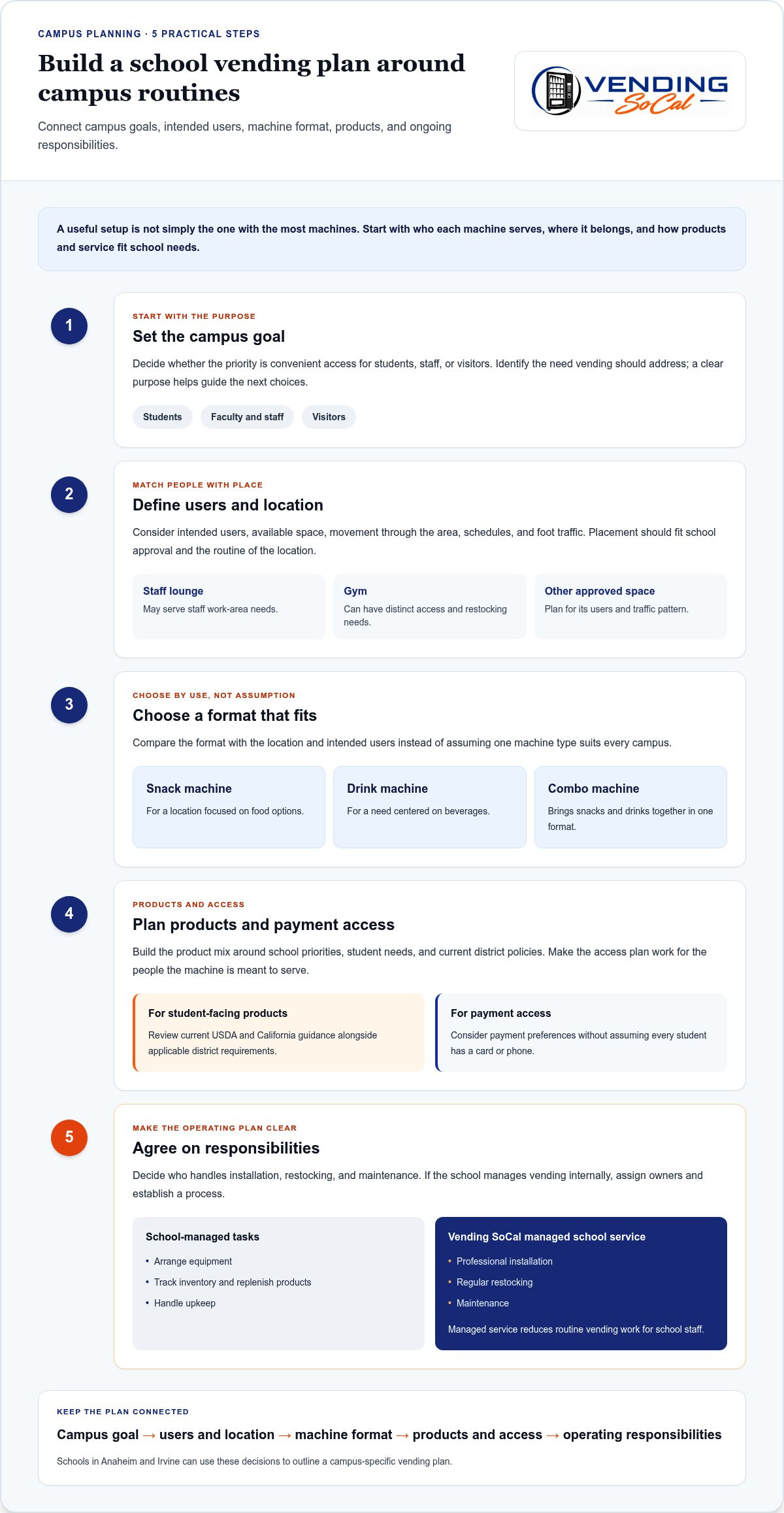
Use these five decisions to connect campus needs with a suitable machine format and service plan. The goal is not to choose equipment in isolation, but to make sure the setup, products, access, and operating responsibilities work together.
- Step 1: Set the campus goal. Decide whether the priority is convenient access for students, staff, or visitors, and identify the need vending should address. A clear purpose makes the next decisions easier.
- Step 2: Define users and location. Consider who will use the machine, where it could go, how much space is available, and how people move through the area. A staff lounge, gym, or other school-approved space can serve different users and routines.
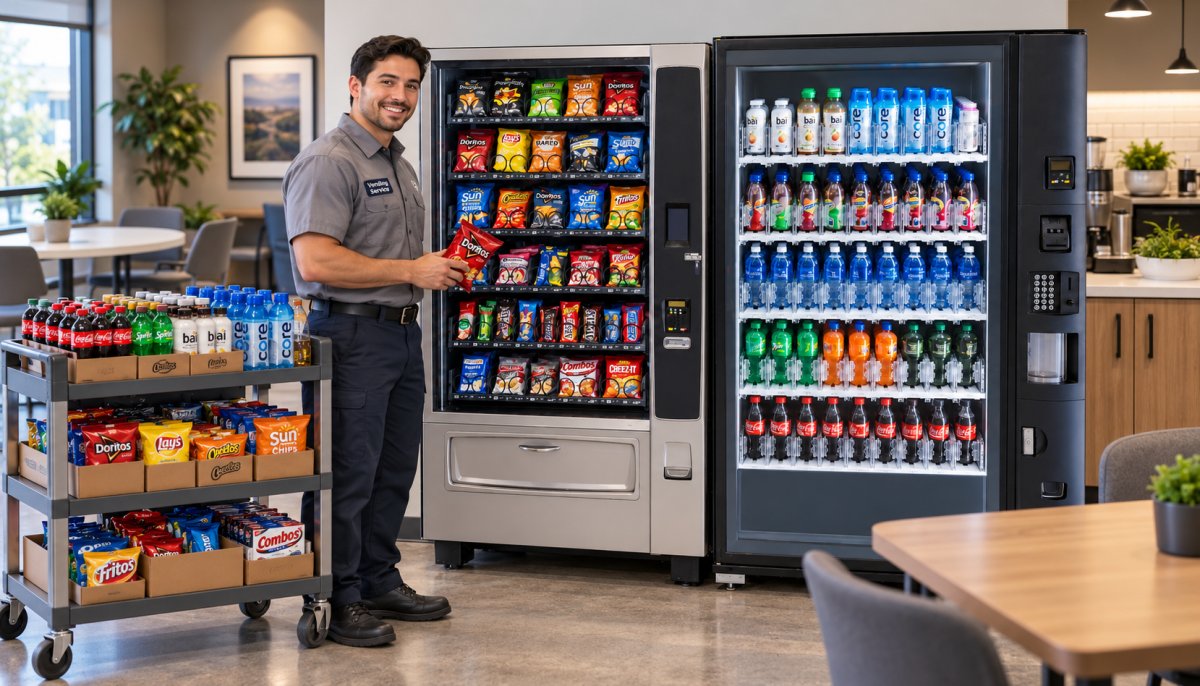
- Step 3: Choose a format that fits the use. A snack machine may suit a location focused on food options, while a drink machine may fit a need centered on beverages. A combo machine brings snacks and drinks together in one format. Compare vending machine options with the location and intended users instead of assuming one type suits every campus.
- Step 4: Plan products and payment access. Build the product mix around school priorities, student needs, and current district policies. For student-facing products, use current USDA and California guidance alongside applicable district requirements. Consider payment preferences without assuming every student has a card or phone. The access plan should work for the people the machine is intended to serve.
- Step 5: Agree on operating responsibilities. Decide how installation, restocking, and maintenance will be handled. If school staff manage vending internally, assign owners to those tasks and establish a process. Vending SoCal’s managed school vending service includes professional installation, regular restocking, and maintenance, reducing routine work for school staff.
These decisions work best as one plan. For example, a drink-focused setup in a busy student area calls for products that follow school policy and access arrangements suited to the intended users. A staff location may have different priorities. For a closer look at student wellness and product planning, read our healthy school vending guide.
Schools in Anaheim and Irvine can use these steps to outline a campus-specific plan with Vending SoCal. Discuss your school’s vending needs and the service approach that can support them.
How to address school vending concerns about nutrition, safety, and policy
Nutrition, student access, and campus safety belong in vending planning from the beginning. A suitable machine format or carefully chosen product list does not automatically make a program appropriate for every school. Requirements and district policies can vary, so review current guidance before deciding what students may access and where.
For vending machines for schools, treat wellness as a planning priority, not a promised outcome. The school can set direction by identifying the appropriate reviewers, clarifying intended users, and aligning product and placement decisions with its policies. Use official USDA and California sources for applicable guidance, then review current district rules. Avoid relying on outdated summaries or assumptions based on another campus.
How can a school align vending products with its policies?
Identify who reviews vending decisions within the school or district. Depending on the school’s process, that may include staff responsible for nutrition, student services, facilities, or campus operations. Establish the review path before finalizing a product mix. Then compare proposed items with current official guidance and district policy. This supports informed decisions without assuming the same product list works at every campus.
What safety and access questions belong in the planning process?
Assess the proposed location from the perspective of students, staff, and visitors. Consider whether people can approach the machine without obstructing movement, whether the area is visible and appropriate for its users, and how supervision fits campus routines. School leadership should also consider accessibility and the age range of intended users. The right location is one that works within campus rules and daily activity.
Use this checklist to keep the review practical:
- Policy review: Identify school or district decision-makers and consult current USDA, California, and district guidance before making compliance claims.
- Product planning: Match proposed products to school priorities, intended users, and applicable policies. Revisit the selection if requirements or campus needs change.
- Placement: Review visibility, foot traffic, accessibility, supervision, and campus approval for each proposed location.
- Operational safety: Clarify who handles ongoing restocking and maintenance, and how concerns about the machine or its placement will be communicated and addressed.
A clear review process helps the school make deliberate choices without treating compliance as a one-time equipment decision. It also gives the service plan a practical foundation: product selection, placement, and ongoing care can be considered together, with school leadership guiding campus-specific decisions.
How school vending placement and service work across Orange County
Good placement starts with the campus, not a standard layout. A machine should serve the people who use the area, fit its daily traffic, and meet school approval. The table offers planning examples, not fixed recommendations. The school’s needs and policies determine what works on a particular campus.
Where might snack, drink, and combo machines fit on campus?
| Campus area | Likely users | Possible format | Planning considerations |
|---|---|---|---|
| Staff lounge | Faculty and staff | Snack, drink, or combo | Consider staff routines, available space, and ease of access during breaks. |
| Gym or activity area | Students, staff, or visitors, depending on school rules | Drink or combo | Review activity schedules, foot traffic, supervision, and applicable product policies. |
| Other approved campus space | The users designated by the school | Snack, drink, or combo | Match the format to the intended audience, location, and surrounding movement. |
A snack machine may make sense where food options are the priority; a drink machine may better suit a location centered on beverages. A combo format can work where both are appropriate. These are starting points, not promises about a specific placement, footprint, or assortment. School approval and intended users should guide the final plan.
What should a school expect from ongoing vending service?
Installation is only one part of operating vending machines for schools. Products need regular restocking, and machines need maintenance over time. Vending SoCal’s managed school vending service includes professional installation, regular restocking, and maintenance, reducing routine tasks for school staff.
Service coordination is ongoing. The school and provider need a shared understanding of approved locations, intended users, product priorities, and how operational concerns are communicated. This keeps the arrangement connected to campus needs rather than treating installation as the finish line. For a related example of vending in another educational setting, see college campus vending services.
Vending SoCal provides school vending service in Anaheim, Irvine, Santa Ana, Fullerton, and surrounding Orange County communities. Local service supports planning around the needs of each campus.
How Vending SoCal helps schools run a hands-off vending program
Vending does not need to become another recurring staff assignment. Vending SoCal provides managed service for vending machines for schools, including installation, regular restocking, and maintenance. The service focuses on managing machines rather than selling or leasing equipment. School decision-makers can coordinate operating tasks through a local service provider while focusing on campus priorities.
What makes a managed school vending service easier for staff?
Routine restocking and maintenance take time to organize. When the provider manages these responsibilities, school personnel have fewer vending tasks to handle themselves. The service plan can be shaped around campus routines and intended machine locations, so the setup reflects how students, faculty, or visitors use each space.
The process begins with a conversation about campus needs and possible placement areas. Suitable snack, drink, or combo machine options can then be considered for the location and intended audience. Vending SoCal professionally installs the machines and handles regular restocking and maintenance. Ongoing care is part of the service, not an afterthought once installation is complete.
What information helps start a school vending conversation?
A few practical details make the initial discussion more useful. Share the school’s location, who the vending setup should serve, possible approved placement areas, and the priorities that matter most to campus leadership. If product choices need to account for school or district policies, include those considerations early in planning.
Describe the day-to-day setting, too. A staff area, gym, and student-accessible space can have different users and routines. That context helps guide the discussion of machine format and service responsibilities without assuming one arrangement fits every campus.
Vending SoCal serves Orange County communities, including Anaheim and Irvine. If your school is exploring a managed setup, share your campus priorities and location to start a practical discussion about service needs and suitable options.
Build a school vending plan that works day to day
A useful campus vending setup starts with the people and routines it needs to serve. Choose locations and snack, drink, or combo formats based on intended users, available space, and school approval. Keep product decisions aligned with current official guidance and district policy, then decide who will manage ongoing work.
For schools comparing vending machines for schools, managed service can simplify operations. Vending SoCal provides professional installation, regular restocking, and maintenance, so school staff do not have to coordinate every routine task themselves. Its local school vending service reaches Orange County communities including Anaheim, Irvine, Santa Ana, and Fullerton.
With campus priorities clearly outlined, it’s easier to plan around your school’s locations, users, and policies. A managed service partner can handle the ongoing vending tasks.
Discuss school vending service with Vending SoCal Plan a school vending setup around your campus needs, then contact Vending SoCal to discuss managed school vending service.
Frequently Asked Questions
What type of vending machine is best for a school?
The best format depends on the location and who will use it. A snack machine may suit a space focused on food options, while a drink machine serves beverage needs. A combo machine offers both categories in one format. Consider available space, expected foot traffic, school-approved placement, and intended users before choosing. Student access and campus policies should guide the setup rather than assuming one machine type works everywhere.
Can schools have vending machines with healthy snacks?
Schools can plan vending selections around wellness priorities, provided products align with applicable requirements and district policy. The right choices depend on the school, intended users, and when students can access the machine. Before finalizing a product mix, review current official USDA and California guidance and district rules. A thoughtful selection can support campus priorities, but it should not be presented as guaranteeing particular health outcomes.
Do schools have to follow Smart Snacks in School requirements?
Smart Snacks in School requirements can apply to foods and beverages sold to students in schools participating in federal child nutrition programs, subject to applicable rules and circumstances. California requirements and district policies may also affect school vending decisions. Review current USDA and California guidance, then determine which policies apply to the campus. Do not rely on a generic product list or assume another school’s interpretation automatically fits.
Who restocks and maintains school vending machines?
That depends on how the vending program is managed. If school staff run it themselves, they must organize product replenishment and machine upkeep. Vending SoCal’s managed school vending service includes professional installation, regular restocking, and maintenance, helping reduce these routine tasks for campus personnel. The service plan can reflect the school’s intended locations and routines, so vending operations are considered beyond the initial installation.
Where should a vending machine be placed in a school?
Place a machine only in a school-approved area that suits its intended users and campus routines. A staff lounge, gym, or another approved space may serve different audiences, so consider visibility, foot traffic, accessibility, supervision, and student movement. The school should also account for age ranges and applicable policies. The final location should reflect campus needs rather than a fixed layout assumed to work at every school.
Does Vending SoCal sell vending machines to schools?
No. Vending SoCal provides managed school vending service rather than selling or leasing equipment. The service includes professional installation, regular restocking, and maintenance for snack, drink, and combo vending machines. Schools can discuss campus users, possible placement areas, and priorities to shape a suitable service plan. This approach puts ongoing operation at the center instead of leaving school staff to manage vending tasks on their own.
Does Vending SoCal provide school vending service in Orange County?
Yes. Vending SoCal provides school vending service in Orange County communities, including Anaheim, Brea, Buena Park, Costa Mesa, Cypress, Fountain Valley, Fullerton, Garden Grove, Huntington Beach, Irvine, La Habra, La Palma, Newport Beach, Orange, Santa Ana, Tustin, Westminster, and Stanton. Service includes professional installation, regular restocking, and maintenance. Schools can discuss their location, intended users, possible placement areas, and campus priorities to plan a managed setup.
Frequently Asked Questions
Start by distinguishing the needs of students, faculty, and visitors. Students may use vending during approved access periods, while staff may want convenient options near a lounge or work area. Visitors may be better served in another approved campus space. A gym or other busy area can have different access and restocking needs than a quieter location. Map intended users, schedules, and foot traffic to make placement and product decisions more purposeful.
With managed service, the provider handles core operating tasks rather than leaving the school to coordinate them internally. Vending SoCal’s school service includes professional installation, regular restocking, and maintenance. A school managing vending itself would need to arrange equipment, track inventory, replenish products, and handle upkeep. A managed approach reduces the routine vending tasks school staff need to oversee. Planning still starts with the campus. The school’s priorities, approved locations, intended users, and product policies shape the service plan. Vending SoCal serves schools in Orange County communities including Anaheim and Irvine. To compare machine formats for campus planning, visit vending machine options. For a broader overview of the local approach, read about school vending services in Orange County. Use these five decisions to connect campus needs with a suitable machine format and service plan. The goal is not to choose equipment in isolation, but to make sure the setup, products, access, and operating responsibilities work together. These decisions work best as one plan. For example, a drink-focused setup in a busy student area calls for products that follow school policy and access arrangements suited to the intended users. A staff location may have different priorities. For a closer look at student wellness and product planning, read our healthy school vending guide. Schools in Anaheim and Irvine can use these steps to outline a campus-specific plan with Vending SoCal. Discuss your school’s vending needs and the service approach that can support them. Nutrition, student access, and campus safety belong in vending planning from the beginning. A suitable machine format or carefully chosen product list does not automatically make a program appropriate for every school. Requirements and district policies can vary, so review current guidance before deciding what students may access and where. For vending machines for schools, treat wellness as a planning priority, not a promised outcome. The school can set direction by identifying the appropriate reviewers, clarifying intended users, and aligning product and placement decisions with its policies. Use official USDA and California sources for applicable guidance, then review current district rules. Avoid relying on outdated summaries or assumptions based on another campus.
Identify who reviews vending decisions within the school or district. Depending on the school’s process, that may include staff responsible for nutrition, student services, facilities, or campus operations. Establish the review path before finalizing a product mix. Then compare proposed items with current official guidance and district policy. This supports informed decisions without assuming the same product list works at every campus.
Assess the proposed location from the perspective of students, staff, and visitors. Consider whether people can approach the machine without obstructing movement, whether the area is visible and appropriate for its users, and how supervision fits campus routines. School leadership should also consider accessibility and the age range of intended users. The right location is one that works within campus rules and daily activity. Use this checklist to keep the review practical: A clear review process helps the school make deliberate choices without treating compliance as a one-time equipment decision. It also gives the service plan a practical foundation: product selection, placement, and ongoing care can be considered together, with school leadership guiding campus-specific decisions. Good placement starts with the campus, not a standard layout. A machine should serve the people who use the area, fit its daily traffic, and meet school approval. The table offers planning examples, not fixed recommendations. The school’s needs and policies determine what works on a particular campus.
A snack machine may make sense where food options are the priority; a drink machine may better suit a location centered on beverages. A combo format can work where both are appropriate. These are starting points, not promises about a specific placement, footprint, or assortment. School approval and intended users should guide the final plan.
Installation is only one part of operating vending machines for schools. Products need regular restocking, and machines need maintenance over time. Vending SoCal’s managed school vending service includes professional installation, regular restocking, and maintenance, reducing routine tasks for school staff. Service coordination is ongoing. The school and provider need a shared understanding of approved locations, intended users, product priorities, and how operational concerns are communicated. This keeps the arrangement connected to campus needs rather than treating installation as the finish line. For a related example of vending in another educational setting, see college campus vending services. Vending SoCal provides school vending service in Anaheim, Irvine, Santa Ana, Fullerton, and surrounding Orange County communities. Local service supports planning around the needs of each campus. Vending does not need to become another recurring staff assignment. Vending SoCal provides managed service for vending machines for schools, including installation, regular restocking, and maintenance. The service focuses on managing machines rather than selling or leasing equipment. School decision-makers can coordinate operating tasks through a local service provider while focusing on campus priorities.
Routine restocking and maintenance take time to organize. When the provider manages these responsibilities, school personnel have fewer vending tasks to handle themselves. The service plan can be shaped around campus routines and intended machine locations, so the setup reflects how students, faculty, or visitors use each space. The process begins with a conversation about campus needs and possible placement areas. Suitable snack, drink, or combo machine options can then be considered for the location and intended audience. Vending SoCal professionally installs the machines and handles regular restocking and maintenance. Ongoing care is part of the service, not an afterthought once installation is complete.
A few practical details make the initial discussion more useful. Share the school’s location, who the vending setup should serve, possible approved placement areas, and the priorities that matter most to campus leadership. If product choices need to account for school or district policies, include those considerations early in planning. Describe the day-to-day setting, too. A staff area, gym, and student-accessible space can have different users and routines. That context helps guide the discussion of machine format and service responsibilities without assuming one arrangement fits every campus. Vending SoCal serves Orange County communities, including Anaheim and Irvine. If your school is exploring a managed setup, share your campus priorities and location to start a practical discussion about service needs and suitable options. A useful campus vending setup starts with the people and routines it needs to serve. Choose locations and snack, drink, or combo formats based on intended users, available space, and school approval. Keep product decisions aligned with current official guidance and district policy, then decide who will manage ongoing work. For schools comparing vending machines for schools, managed service can simplify operations. Vending SoCal provides professional installation, regular restocking, and maintenance, so school staff do not have to coordinate every routine task themselves. Its local school vending service reaches Orange County communities including Anaheim, Irvine, Santa Ana, and Fullerton. With campus priorities clearly outlined, it’s easier to plan around your school’s locations, users, and policies. A managed service partner can handle the ongoing vending tasks. Plan a school vending setup around your campus needs, then contact Vending SoCal to discuss managed school vending service.
The best format depends on the location and who will use it. A snack machine may suit a space focused on food options, while a drink machine serves beverage needs. A combo machine offers both categories in one format. Consider available space, expected foot traffic, school-approved placement, and intended users before choosing. Student access and campus policies should guide the setup rather than assuming one machine type works everywhere.
Schools can plan vending selections around wellness priorities, provided products align with applicable requirements and district policy. The right choices depend on the school, intended users, and when students can access the machine. Before finalizing a product mix, review current official USDA and California guidance and district rules. A thoughtful selection can support campus priorities, but it should not be presented as guaranteeing particular health outcomes.
Smart Snacks in School requirements can apply to foods and beverages sold to students in schools participating in federal child nutrition programs, subject to applicable rules and circumstances. California requirements and district policies may also affect school vending decisions. Review current USDA and California guidance, then determine which policies apply to the campus. Do not rely on a generic product list or assume another school’s interpretation automatically fits.
That depends on how the vending program is managed. If school staff run it themselves, they must organize product replenishment and machine upkeep. Vending SoCal’s managed school vending service includes professional installation, regular restocking, and maintenance, helping reduce these routine tasks for campus personnel. The service plan can reflect the school’s intended locations and routines, so vending operations are considered beyond the initial installation.
Place a machine only in a school-approved area that suits its intended users and campus routines. A staff lounge, gym, or another approved space may serve different audiences, so consider visibility, foot traffic, accessibility, supervision, and student movement. The school should also account for age ranges and applicable policies. The final location should reflect campus needs rather than a fixed layout assumed to work at every school.
No. Vending SoCal provides managed school vending service rather than selling or leasing equipment. The service includes professional installation, regular restocking, and maintenance for snack, drink, and combo vending machines. Schools can discuss campus users, possible placement areas, and priorities to shape a suitable service plan. This approach puts ongoing operation at the center instead of leaving school staff to manage vending tasks on their own.
Yes. Vending SoCal provides school vending service in Orange County communities, including Anaheim, Brea, Buena Park, Costa Mesa, Cypress, Fountain Valley, Fullerton, Garden Grove, Huntington Beach, Irvine, La Habra, La Palma, Newport Beach, Orange, Santa Ana, Tustin, Westminster, and Stanton. Service includes professional installation, regular restocking, and maintenance. Schools can discuss their location, intended users, possible placement areas, and campus priorities to plan a managed setup.