Choosing a Full Service Vending Company in Irvine
October 23, 2026 · 17 min read
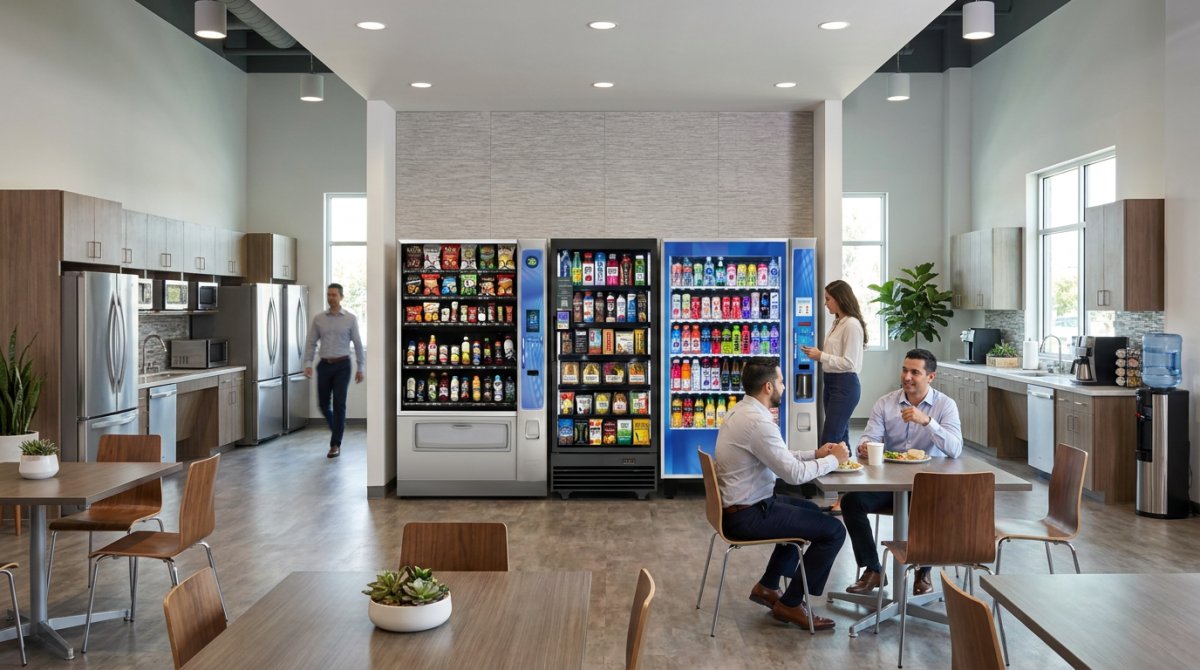
The right vending setup isn’t always a single snack machine. A full service vending company can provide snack, drink, or combo machines, with the best fit shaped by the people using the space. For offices, schools, and healthcare facilities in Irvine and across Orange County, start by matching the machine and its product mix to the setting.
Choosing equipment is only part of the decision. You also want products that suit staff, students, visitors, or patients without adding another task to your day. This guide compares machine types, explains how to choose snacks and drinks, and covers practical considerations such as space, access, and service. You’ll also learn how to assess whether full-service vending fits your facility.
Key Takeaways
- Choose between snack, drink, and combo machines based on the space and what people are most likely to want.
- Build a product mix around the people using the facility, from staff and students to visitors and patients.
- Consider how payment preferences and the machine’s placement affect everyday convenience.
- Plan for regular restocking and maintenance as part of keeping vending machines useful and operational.
- Compare location needs across offices, schools, and healthcare facilities before deciding on a vending setup.
What types of vending machines are available?
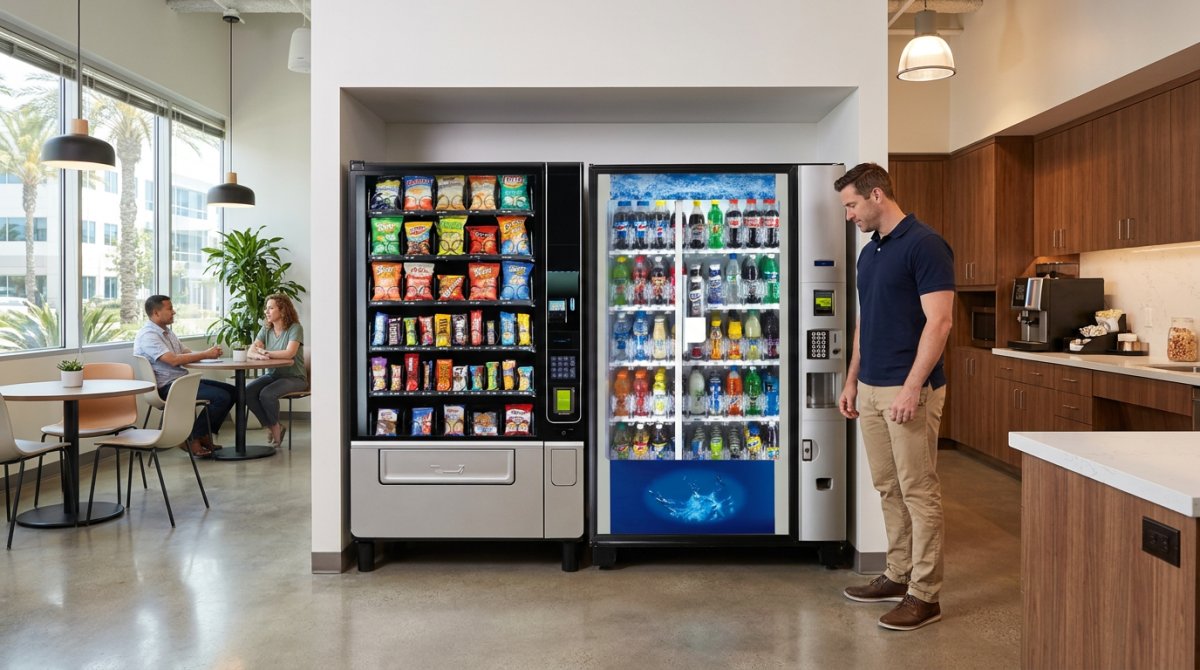
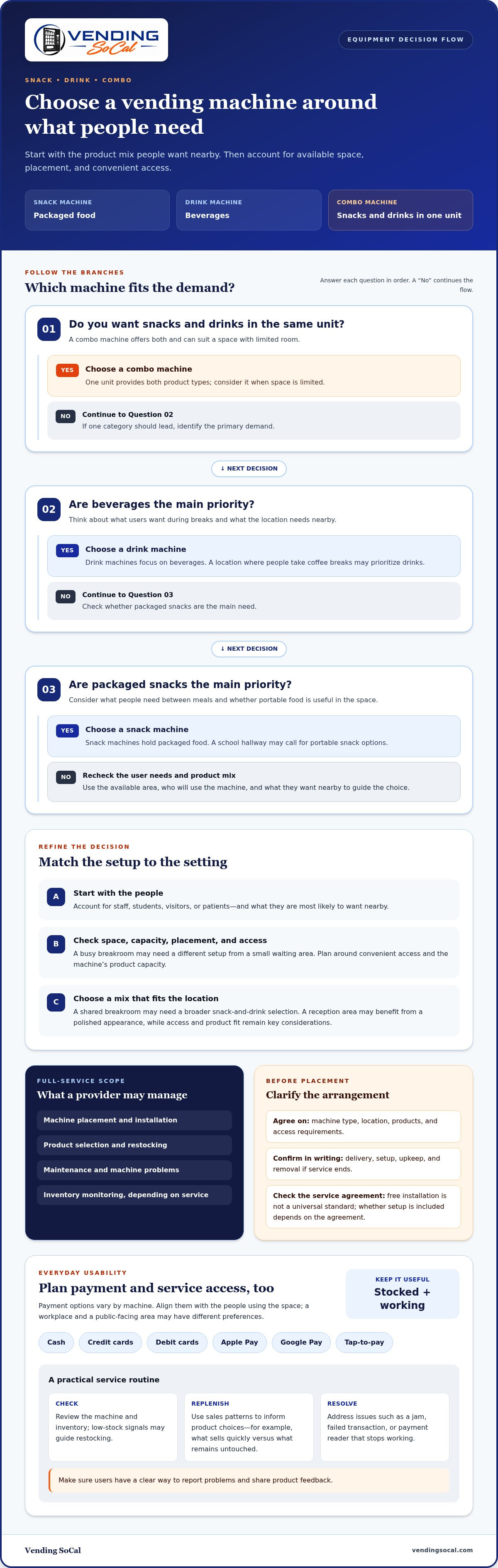
Most locations choose among snack, drink, and combo vending machines. Snack machines hold packaged food, while drink machines focus on beverages. A combo machine offers both in one unit, which can suit spaces with limited room. Choose based on the available area, who will use the machine, and what they want nearby.
Product capacity and placement matter, too. A busy breakroom may need a different setup from a small waiting area. A location where people take coffee breaks might prioritize beverages, while a school hallway may need portable snacks. A polished appearance can complement a reception area, but convenient access and a suitable product mix should guide the decision.
What services does a full-service vending company provide? It typically manages machine placement, installation, product selection, restocking, and maintenance. Depending on the service, it may also monitor inventory and address machine problems, reducing the facility team’s day-to-day workload.
Installation and management are separate parts of the arrangement. Before placement, the provider and facility can agree on machine type, location, products, and access requirements. “Free installation” isn’t a universal industry standard; whether setup is included depends on the service agreement. The agreement should explain who handles delivery, setup, upkeep, and removal if service ends.
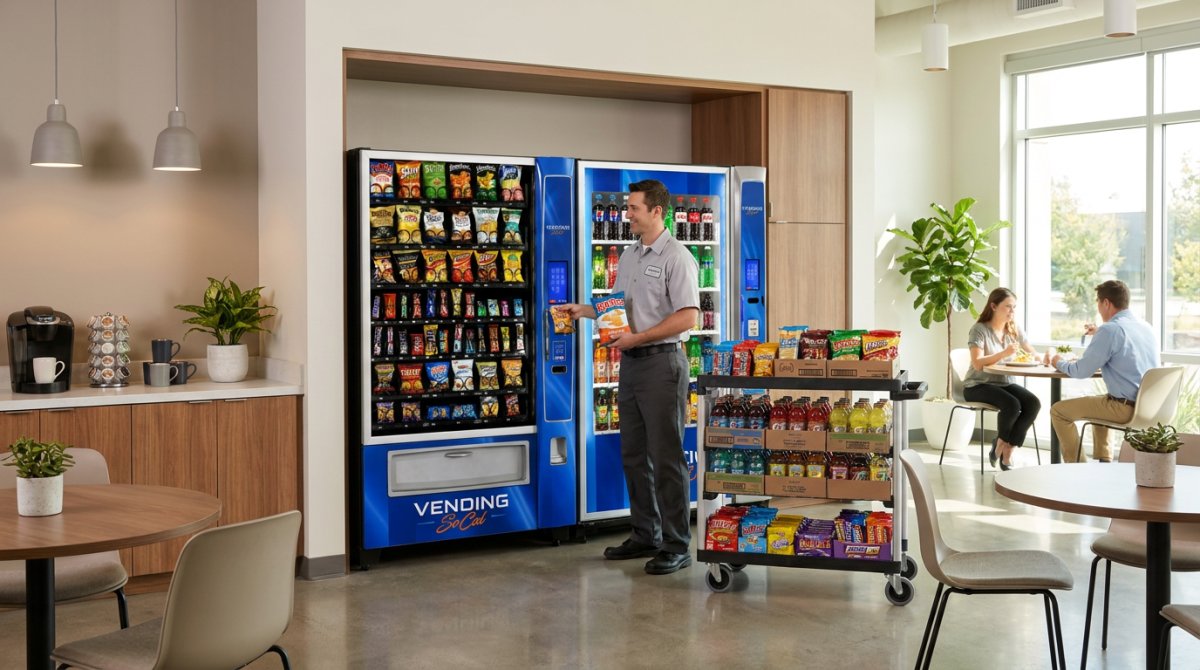
Regular maintenance helps keep vending machines stocked and working. A practical service process includes checking the machine, replenishing products, and addressing problems such as a payment reader that stops working. Inventory monitoring can flag low stock or service needs. A clear way to report a jam or failed transaction also helps users know what to do.
Payment options vary by machine and can include cash, credit cards, debit cards, Apple Pay, Google Pay, and tap-to-pay. Inventory monitoring can help guide restocking by showing which products are running low. If bottled water sells quickly while another drink remains untouched, for example, sales patterns can inform future product choices.
What licenses, permits, and food-safety rules apply to vending companies in the United States? Requirements depend on the state, local jurisdiction, facility, and products sold. Rules may address business permits, food handling, sanitation, and safe storage, especially for products requiring temperature control.
What should a vending service contract include, and how long are typical terms? It should clarify machine placement, product selection, restocking, maintenance, payment handling, issue reporting, and each party’s responsibilities. Contract lengths vary, so make sure the term, renewal process, and cancellation conditions are clear in writing.
What are common risks or complaints when hiring a vending company? Users may be frustrated by malfunctioning machines, empty selections, or products that don’t suit the location. A clear process for reporting problems and sharing product feedback helps the facility team and provider address issues and keep the service aligned with users’ needs.
Do you offer healthy snack and drink options?
A useful vending selection balances nourishing choices, familiar favorites, and convenient payment options. For an Irvine workplace, start with who uses the machine, when they use it, and what they need between meals.
Healthy Product Selection
Healthy options can include nuts, dried fruit, whole-grain snacks, and water. These are examples, not a fixed menu. Compare serving sizes, ingredient lists, and nutrition labels when choosing products. For drinks, consider water and unsweetened options alongside familiar beverages. A varied mix helps people with different preferences find something that suits them.
Allergen-friendly choices also need thoughtful placement and clear product information. Review ingredient and allergen statements on each package, then choose items that fit the needs of your users. For example, a workplace with employees who avoid peanuts may prioritize packaged alternatives with clearly labeled ingredients. Product packaging can help people make informed decisions, but it shouldn’t be treated as a substitute for their own dietary guidance.
Use a simple selection process: identify who will use the machine, gather preferences, and choose a mix of healthier choices and everyday favorites. An office breakroom may call for quick snacks and water, while a school may benefit from portable options. Revisit the mix as feedback and sales patterns show which products people choose.
Full-Line Vending Options
Full-line vending brings a range of snacks and drinks into the same facility. The goal is variety, not filling every slot with similar products. A balanced selection might pair water and other beverages with savory snacks, sweet choices, and alternatives such as nuts or granola bars. The right mix depends on the location, machine capacity, and the people who use it.
Payment access is another part of the experience. Tap, card, and app payments are offered on every machine in the service arrangement described by the market information. Cash can also be considered when planning payment access, especially if users prefer physical currency. Align payment choices with the setting: a workplace may have regular staff users, while a public-facing area may serve visitors with different preferences.
Before installation, map the product mix and payment needs to the machine location. For example, place a broader drink and snack selection in a shared break room, then use user feedback to adjust what stays stocked. A well-planned selection makes healthy choices visible without removing familiar options. To discuss a vending mix for your facility, share your location’s needs.
Can vending machines be customized to suit specific locations?
Yes. A location’s users, available space, and preferred products can shape its vending setup. To discuss a proposal with Vending SoCal, share the site type, machine location, product preferences, and any access needs.
Customized Product Selection
Product selection can reflect the people who use each location. An office breakroom may need drinks and portable snacks, while a school may call for options students can carry between classes. Start by listing preferred products and dietary considerations. Then use feedback and purchasing patterns to refine the mix as needs change.
Different locations within one network may need different assortments. A reception area could emphasize water and individually packaged snacks, while a staff breakroom could offer more variety. Group products by type and purpose, such as drinks, savory snacks, and sweet choices. This makes gaps easier to spot and helps you adjust selections without treating every machine alike.
Workplace Breakroom Programs
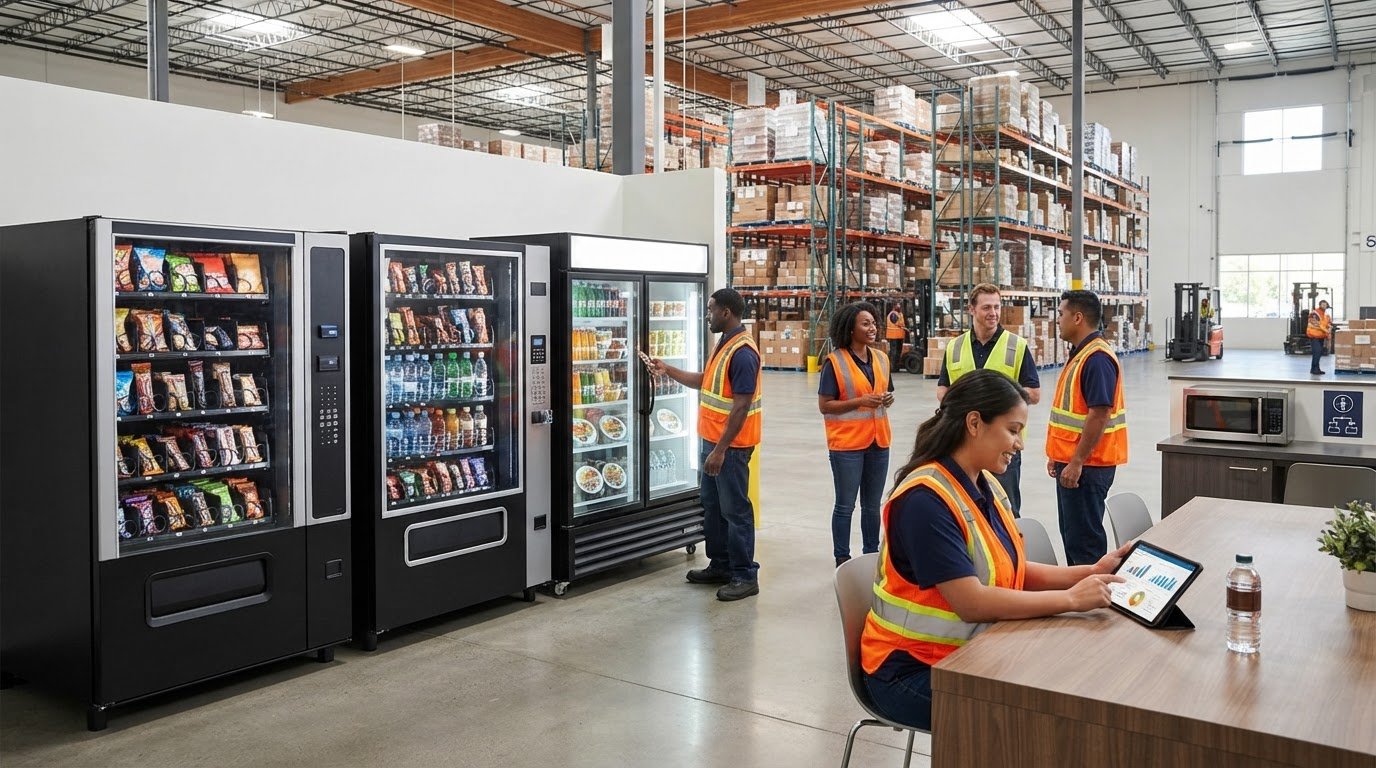
A workplace breakroom program can coordinate vending products with the way employees use shared spaces. A shift-based facility, for example, may need convenient drinks and snacks near its break area. Consider foot traffic, machine access, and the products employees request. A focused plan connects the product mix to real breakroom routines.
For multiple offices, set a consistent baseline, then customize each site. One location might prioritize water and lighter snacks; another may have stronger demand for familiar treats. Collecting requests through an office manager gives the product plan a practical starting point. Review the selection when user needs or workplace routines change.
A customized vending surround can help a machine fit the space visually. A neutral finish may suit a formal lobby, while a branded design can complement a company breakroom. Before choosing a surround, consider nearby doors, walkways, wall finishes, and machine placement. The design should suit the space without blocking access or making the machine harder to use.
A customized program can also define how products and locations are managed. For a network of buildings, identify which products should appear across every site and which can vary locally. Then decide who gathers feedback and how product changes are reviewed. This keeps shared expectations clear while allowing each location to reflect its users.
For a vending proposal, prepare a short location brief with the site type, machine area, expected users, product preferences, and access or design considerations. Note, for example, whether the machine will serve an employee breakroom or a visitor-facing lobby. These details help Vending SoCal recommend equipment, products, and a setup suited to the space.
Vending service for offices, schools, and healthcare facilities
Each setting has different users, routines, and placement needs. A useful service plan matches machine locations and product choices to those daily patterns.
Office and School Vending
In an office, place vending near a breakroom or shared staff area, where employees can reach it during breaks. In a school, consider student traffic, supervised areas, and the time available between classes. A school’s product mix may differ from an office’s, even when both use snack and drink machines.
Start by identifying who will use each machine and where it can fit. A staff room, for example, can serve employees without interrupting reception, while a student area may need convenient access between activities. Facility managers can collect requests from staff or school administrators to guide future product adjustments.
Snack and Healthy Product Choices
Healthy choices can sit alongside familiar snacks rather than replacing the entire selection. An office might include water, nuts, and packaged fruit alongside popular treats. A school can consider portable choices that suit its users and routines. Read package labels when selecting products, especially when dietary needs or allergens matter.
Build the assortment around the people using the facility. Gather preferences, identify products that meet those needs, and review which options remain stocked. This gives employees, students, and visitors practical choices without assuming one menu works for every setting.
Healthcare campuses serve different user groups. A hospital may have employees, patients, and visitors across staff rooms, public waiting areas, and other shared spaces. Each area can call for a distinct product mix. A staff break area, for example, may prioritize convenient snacks for employees, while a public lobby may benefit from a simple selection for visitors.
Separate vending locations by purpose before choosing products. A facility manager can map staff-only spaces, visitor areas, and patient-facing locations, then identify the intended users at each point. This helps distinguish staff needs from public access needs and makes product selection easier to review with the people who manage each area.
Across offices, schools, and healthcare facilities, convenience depends on where machines sit and how people move through the building. Keep walkways clear, avoid blocking entrances, and place machines where users can reach them without disrupting work or school activities. On a healthcare campus, consider whether a machine serves a waiting room or staff break area before choosing its products.
Finally, agree on a simple feedback route, such as directing product requests to a facilities manager. That person can group comments by location and share recurring preferences for review. A clear process helps keep vending choices relevant as teams, schedules, or facility use change.
Snack and beverage product selection
A vending machine works best when its products reflect the people using it. In Irvine and nearby Orange County communities, an office breakroom, school corridor, and healthcare waiting area can each call for a different mix. Start with the location and its users, then use preferences and purchasing patterns to guide product selection.
Group choices into clear categories before filling the machine. Include savory snacks, sweet treats, portable options, and beverages such as water and juice. A balanced assortment gives users variety without dedicating every slot to one type of product. Keep products easy to identify, and consider packaging size when people need something to carry between meetings or classes.
Use the setting to decide which products deserve more space. An office with short breaks may benefit from convenient snacks and drinks, while a school may need products that are easy to eat on the move. In a healthcare waiting area, visitors may value familiar, individually packaged items. These are starting points, not fixed menus. User needs should shape the final mix.
Feedback helps refine product choices. Ask a facilities contact to collect requests, then compare them with products that sell or remain stocked. If a beverage repeatedly runs low, that may justify giving it more space. If a snack sits untouched, replace it with a requested alternative. Reviewing feedback and sales together helps distinguish a passing request from a useful pattern.
Restocking should support product freshness and a varied selection. Group similar items together so it’s easy to see which categories are running low. For example, separate salty snacks from sweet options and place drinks in visible sections. A clear layout helps users find popular items and makes empty spaces easier to identify during restocking. Rotate products so older stock is used before newer products.
Keep dietary preferences and ingredient information in mind during selection. Choose packaged options with readable labels and consider alternatives for common dietary needs. For instance, a workplace might include a nut-free packaged snack alongside other choices. Labels help users review ingredients themselves; the product mix should not assume one dietary preference fits everyone.
For multiple locations, set a shared baseline and allow local adjustments. An Irvine office network might keep water and familiar snacks in each breakroom, while adding site-specific favorites based on employee feedback. This makes the overall selection easier to manage without forcing identical products into every machine. Review the mix when site use or preferences change.
Vending SoCal: Hotel Vending Service
Vending SoCal provides Hotel Vending Service for properties seeking convenient snack and drink options for guests. It can suit hotels that want vending as a practical amenity without managing machine placement and product selection themselves. The setup depends on the available space, guest needs, and products suited to the property.
Vending SoCal also provides Apartment Vending Service, Industrial Vending Service, and Schools Vending Services. These options serve different settings, from shared residential spaces to workplaces and educational facilities.
If vending could suit your property, contact Vending SoCal to discuss the location and your product needs.
Make the Next Step Simple
Choose a vending plan that fits how your Irvine property works and can adapt as its needs change. A full service vending company should make it easier to align the setup with your location, rather than leaving facilities staff to coordinate every detail. First, decide what matters most: a guest amenity, convenient access for residents, or vending suited to an industrial setting.
Vending SoCal offers Hotel Vending Service, Apartment Vending Service, and Industrial Vending Service. Each offering serves a different type of property and gives you a starting point for discussing your facility’s priorities.
Think about who will use the machines and the role vending should play in their day. A focused first step can turn a general idea into a practical plan for your space.
Your facility can take the next step toward a vending setup that feels like a natural fit.
Frequently Asked Questions
How do I ensure my vending machines are always fully stocked and operational?
Use a restocking and maintenance plan that reflects how people use each machine. A busy employee breakroom may need more frequent product checks than a quieter shared area. Give users a clear way to report empty selections or malfunctions, and review which products sell quickly. Inventory monitoring can help identify low stock or service needs, while regular checks confirm product condition and machine operation.
How does the process work?
Start with the location and its intended users. Identify the machine area, available power, access for restocking, and the products people want. Next, select suitable equipment and a product mix, then prepare the area for installation. After setup, Vending SoCal manages stocking and maintenance. For example, a manager can gather staff preferences before finalizing a breakroom machine’s selection.
How long does installation take?
Installation timing depends on site readiness and the placement details. A clear indoor area, standard electrical outlet, and enough room for users and service access help prepare the space. Delays can arise if the location needs clearing or access arrangements. For example, a facility manager can identify the machine location and coordinate building access before delivery, helping the installation proceed without avoidable site obstacles.
How often are the machines restocked?
Restocking frequency follows product demand and location traffic. A high-traffic breakroom may need more frequent visits than a machine in a smaller shared space. Sales and empty selections help show which items need attention. If water sells quickly during warm shifts while packaged snacks remain available, for example, the restocking plan can respond to that difference instead of treating every product alike.
How does a full-service vending company work with businesses and property owners?
A full-service vending company coordinates machine placement, product stocking, and maintenance with the people responsible for a property. Vending SoCal serves commercial locations in Anaheim, Brea, Buena Park, Costa Mesa, Cypress, Fountain Valley, Fullerton, Garden Grove, Huntington Beach, Irvine, La Habra, La Palma, Newport Beach, Orange, Santa Ana, Tustin, Westminster, and Stanton. Property contacts help identify site needs and access arrangements.
What types of vending machines and products do full-service vending companies offer?
Common choices include snack machines, drink machines, and combo machines that offer both categories. Products can include bottled water, soda, sparkling water, iced tea, chips, crackers, nuts, granola bars, and protein bars. An office might prioritize cold drinks and portable snacks, while a school could favor easy-to-carry items. The location and its users guide the mix.
Who pays for vending machines, installation, repairs, and restocking?
For qualified locations, Vending SoCal’s vending service has no upfront cost and includes the machine, delivery, setup, stocking, and maintenance. Qualification depends on factors such as steady traffic, suitable space, and route fit. This is a managed service, not a machine purchase or equipment lease. For a property owner, the practical first step is assessing whether the site can support vending access and service visits.
How do I compare and choose a vending company near me?
Start by matching the service to your location, whether it’s an office, school, apartment community, hotel, or industrial facility. Compare machine types, product choices, restocking, maintenance, and payment options for your site. In Irvine and nearby Orange County cities, local coverage and route fit also matter. A concise site brief helps explain the space, users, access needs, and preferred products.
Frequently Asked Questions
Use a restocking and maintenance plan that reflects how people use each machine. A busy employee breakroom may need more frequent product checks than a quieter shared area. Give users a clear way to report empty selections or malfunctions, and review which products sell quickly. Inventory monitoring can help identify low stock or service needs, while regular checks confirm product condition and machine operation.
Start with the location and its intended users. Identify the machine area, available power, access for restocking, and the products people want. Next, select suitable equipment and a product mix, then prepare the area for installation. After setup, Vending SoCal manages stocking and maintenance. For example, a manager can gather staff preferences before finalizing a breakroom machine’s selection.
Installation timing depends on site readiness and the placement details. A clear indoor area, standard electrical outlet, and enough room for users and service access help prepare the space. Delays can arise if the location needs clearing or access arrangements. For example, a facility manager can identify the machine location and coordinate building access before delivery, helping the installation proceed without avoidable site obstacles.
Restocking frequency follows product demand and location traffic. A high-traffic breakroom may need more frequent visits than a machine in a smaller shared space. Sales and empty selections help show which items need attention. If water sells quickly during warm shifts while packaged snacks remain available, for example, the restocking plan can respond to that difference instead of treating every product alike.
A full-service vending company coordinates machine placement, product stocking, and maintenance with the people responsible for a property. Vending SoCal serves commercial locations in Anaheim, Brea, Buena Park, Costa Mesa, Cypress, Fountain Valley, Fullerton, Garden Grove, Huntington Beach, Irvine, La Habra, La Palma, Newport Beach, Orange, Santa Ana, Tustin, Westminster, and Stanton. Property contacts help identify site needs and access arrangements.
Common choices include snack machines, drink machines, and combo machines that offer both categories. Products can include bottled water, soda, sparkling water, iced tea, chips, crackers, nuts, granola bars, and protein bars. An office might prioritize cold drinks and portable snacks, while a school could favor easy-to-carry items. The location and its users guide the mix.
For qualified locations, Vending SoCal’s vending service has no upfront cost and includes the machine, delivery, setup, stocking, and maintenance. Qualification depends on factors such as steady traffic, suitable space, and route fit. This is a managed service, not a machine purchase or equipment lease. For a property owner, the practical first step is assessing whether the site can support vending access and service visits.
Start by matching the service to your location, whether it’s an office, school, apartment community, hotel, or industrial facility. Compare machine types, product choices, restocking, maintenance, and payment options for your site. In Irvine and nearby Orange County cities, local coverage and route fit also matter. A concise site brief helps explain the space, users, access needs, and preferred products.